British Science Week
22nd Mar 2026
Over the course of this half term, we have been proudly celebrating British science week. Across the school, our children have been thinking like real scientists: asking questions, exploring ideas and drawing conclusions which are furthering their scientific understanding.
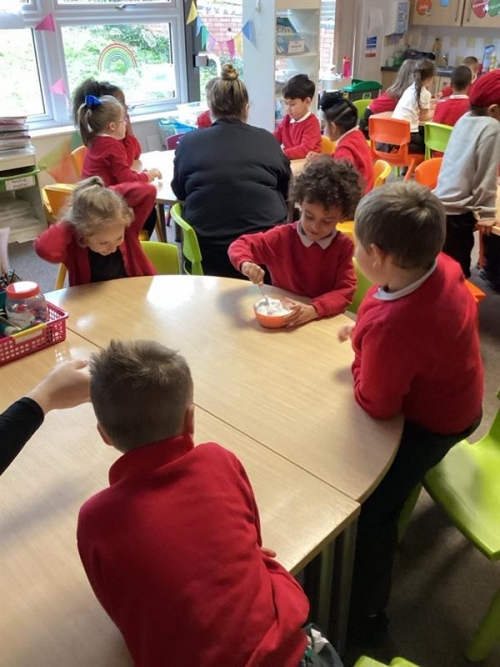
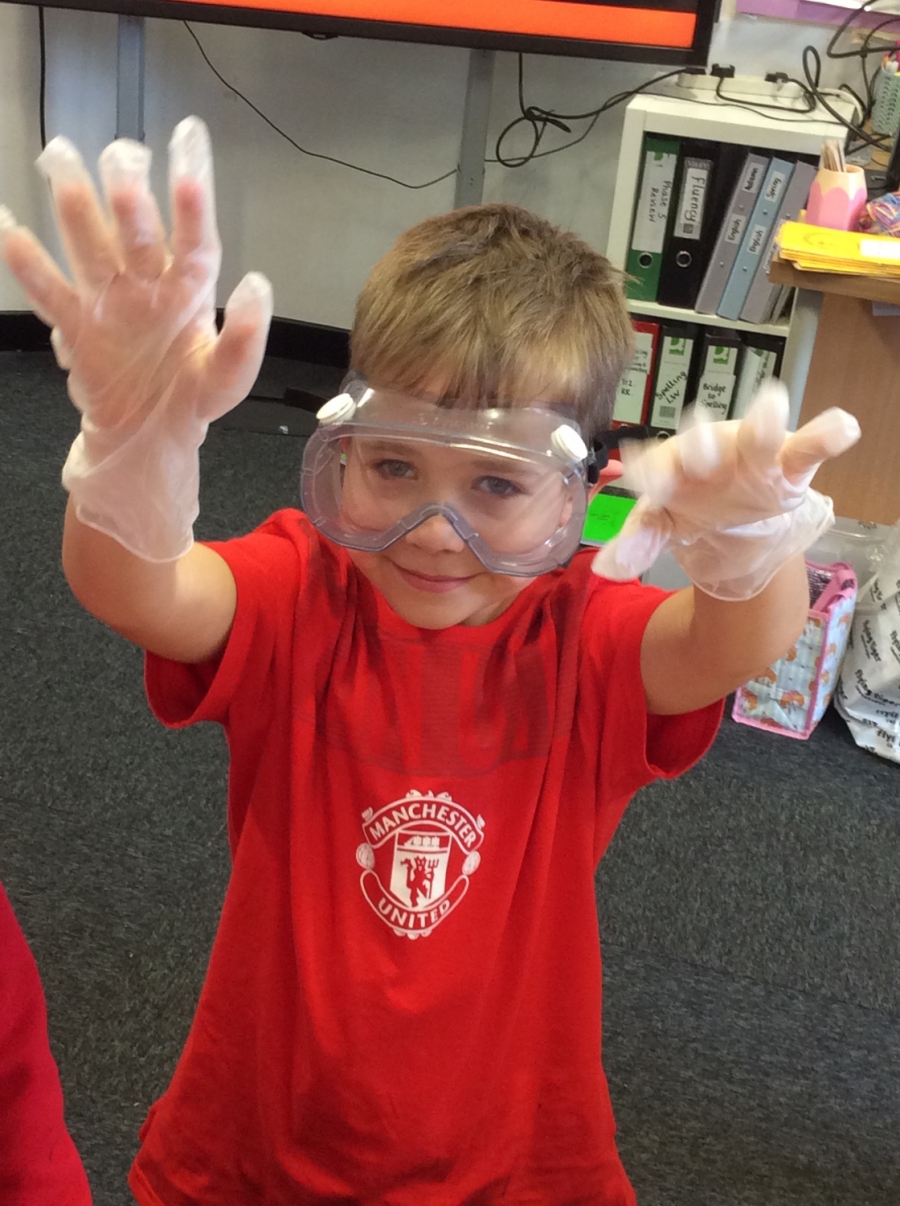
Year 1 have been exploring the topic of Curious Chemistry.
Throughout the lessons we have completed different experiments exploring how the different ingredients reacted with each other and what happened as a result of this.
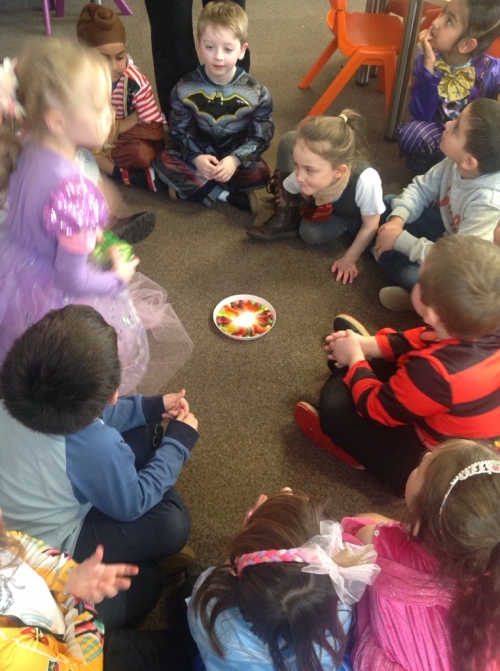
Our two favourite experiments were creating a skittle rainbow and making slime.
The children had great fun exploring what happened when they added warm water to the skittles and loved to see the rainbow that emerged.
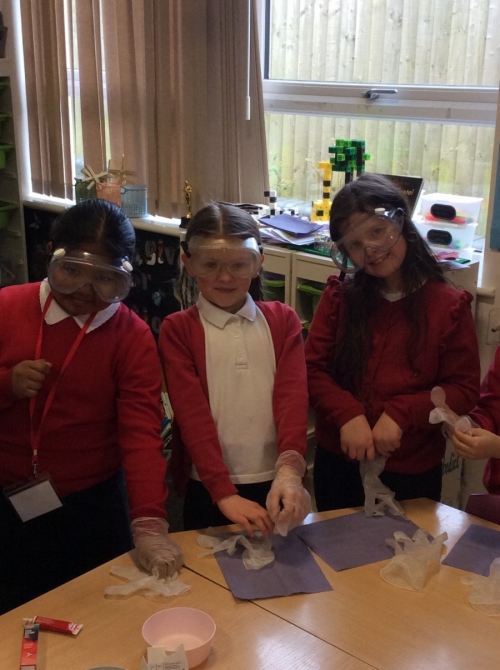
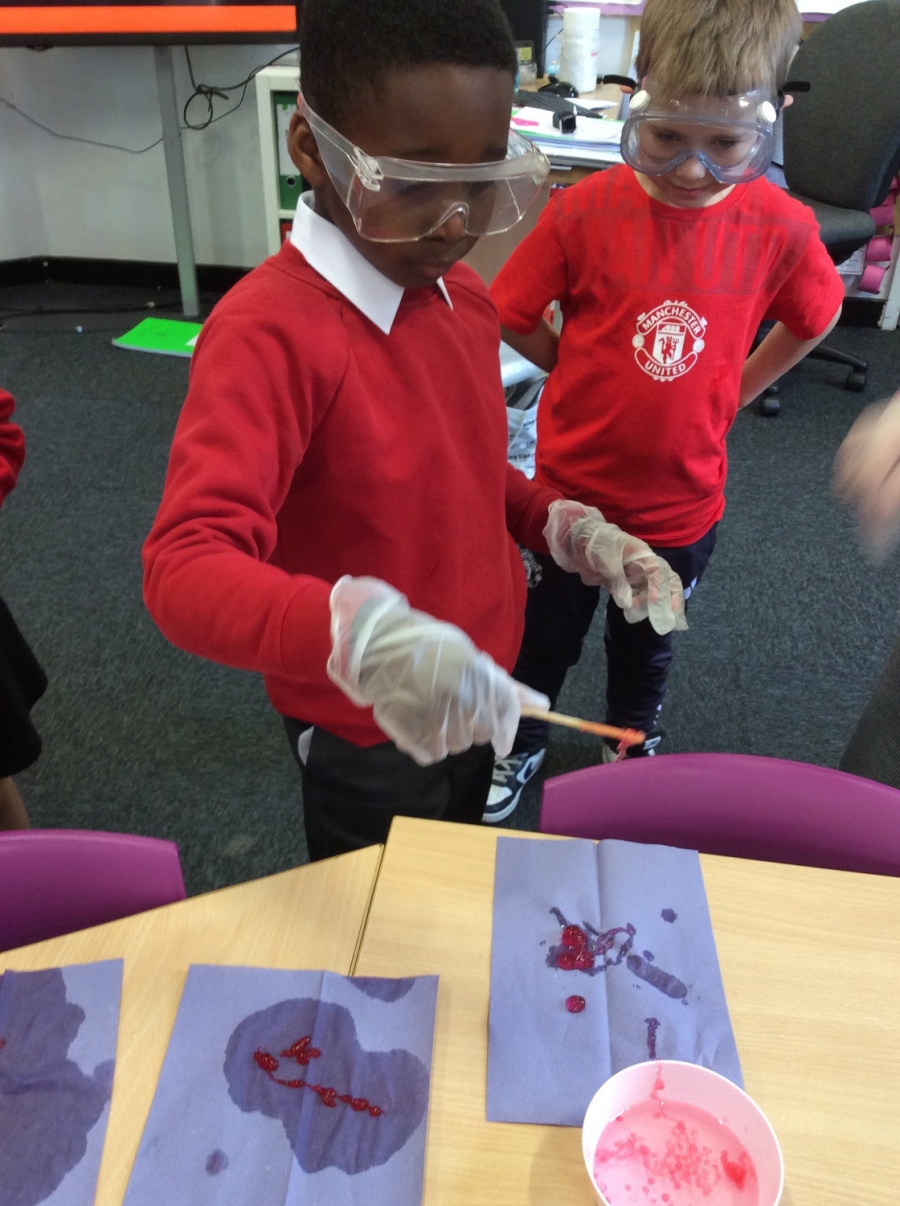
They also thoroughly enjoyed making slime, they mixed the ingredients together and then was very surprised what happened when we added the bicarbonate of soda and the slime emerged.
They all had great fun playing with the slime after they had created it and talking about its texture and appearance.
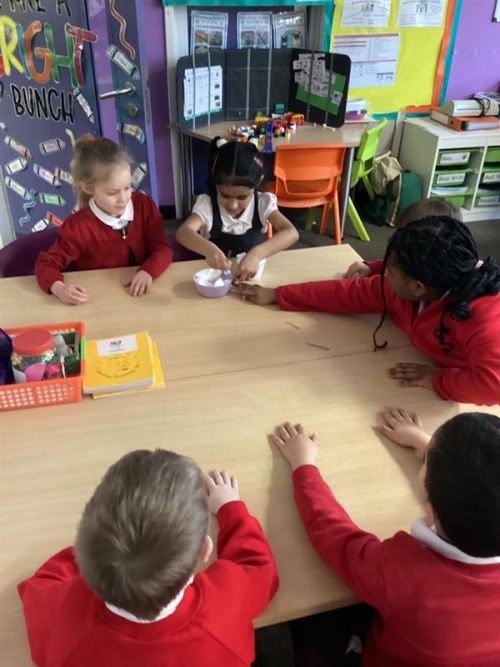
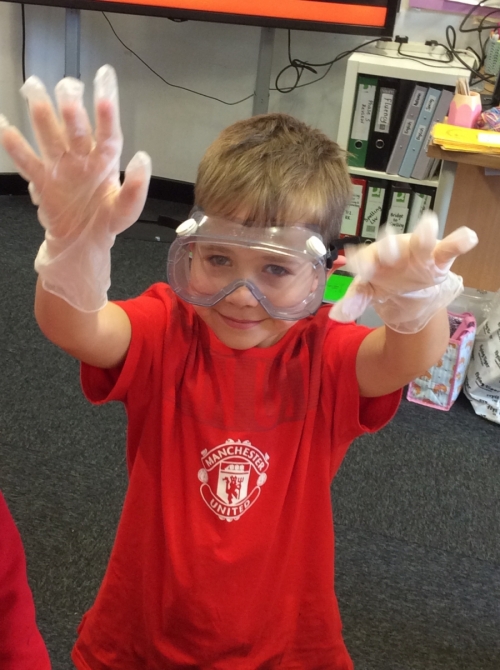
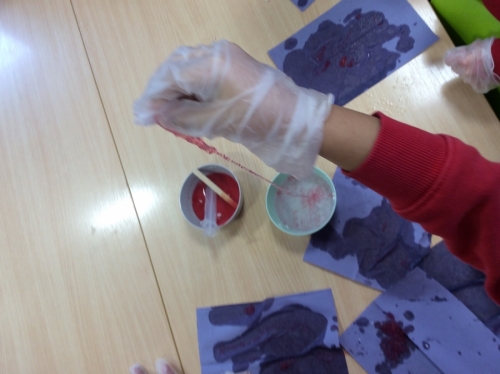
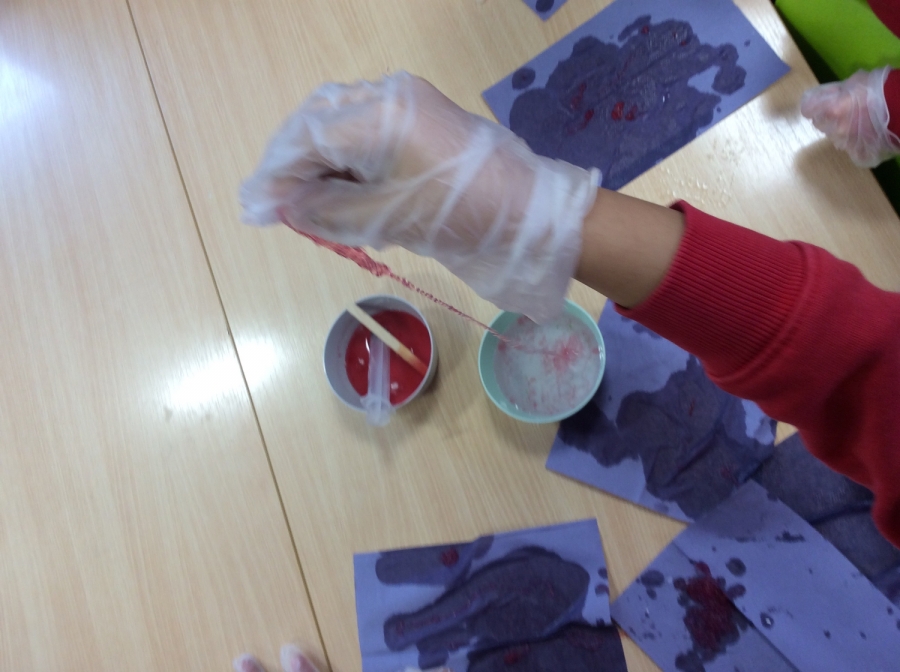
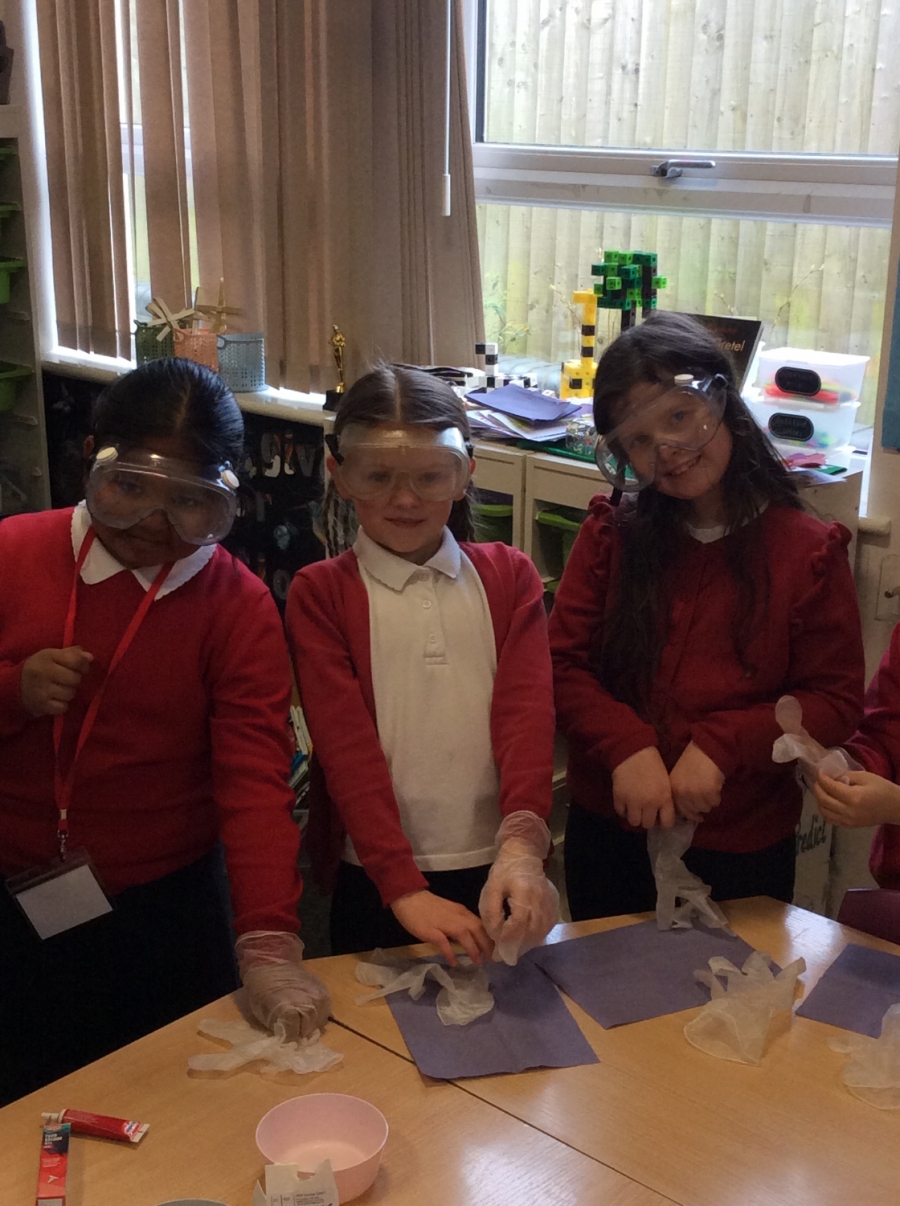
Year 2 have been looking at how seaweed is useful to make different materials. Children used one of the products of seaweed - 'sodium alginate' to make alginate worms. Children enjoyed using syringes to try and make the longest snakes. We can't wait to see what other year groups have been doing!
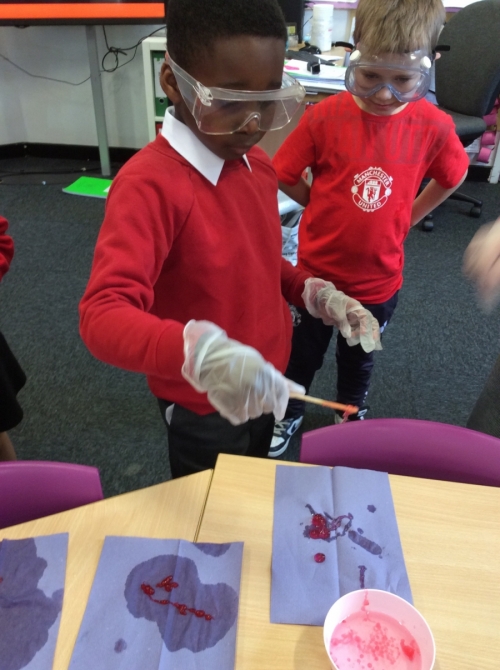
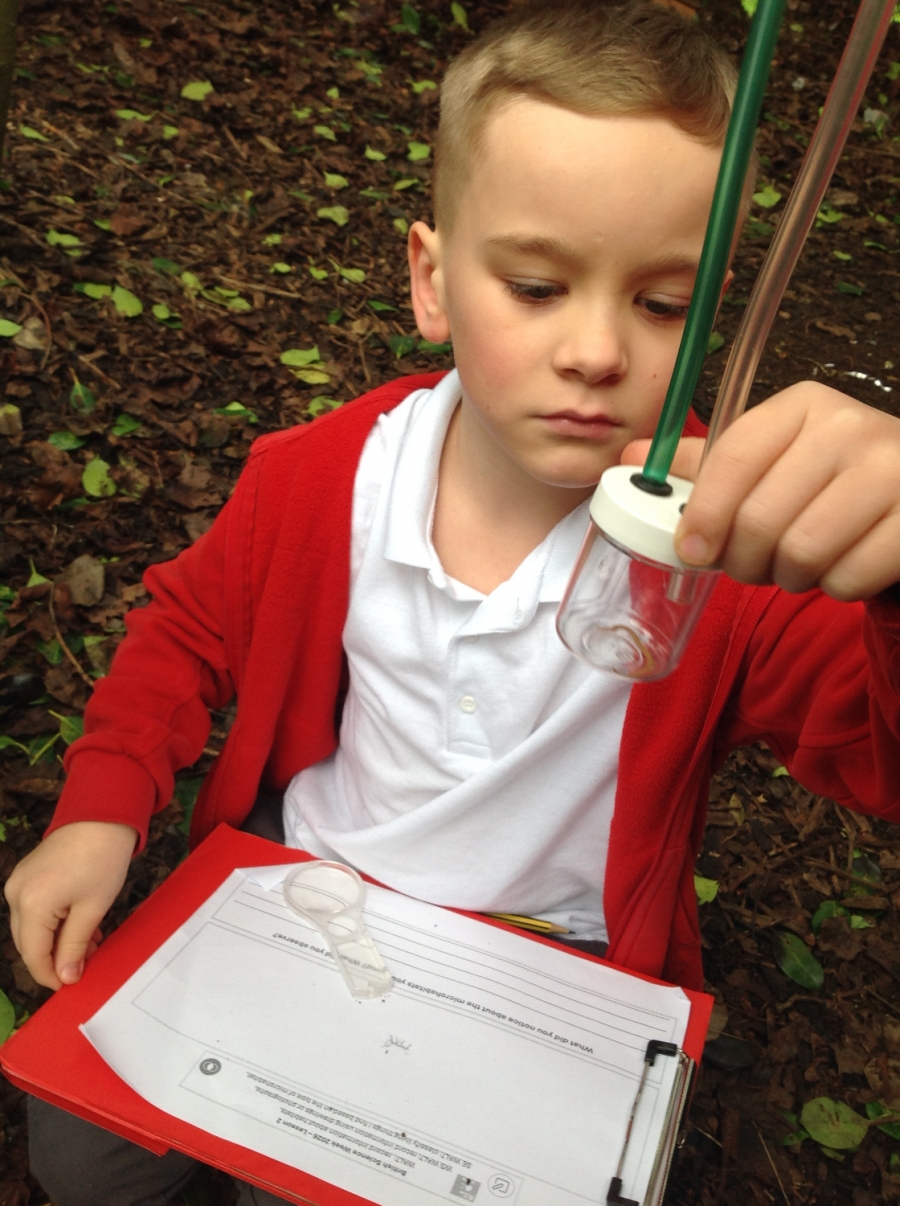
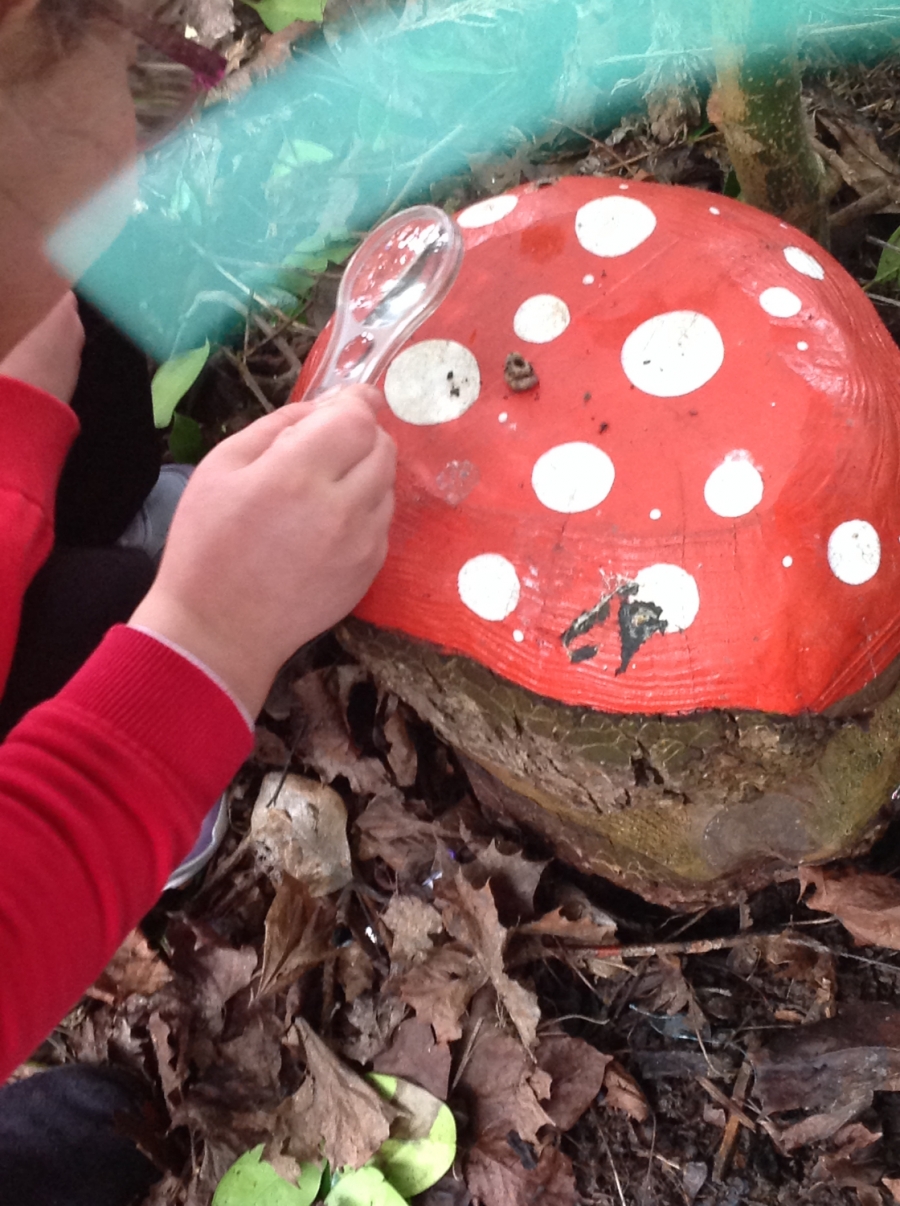
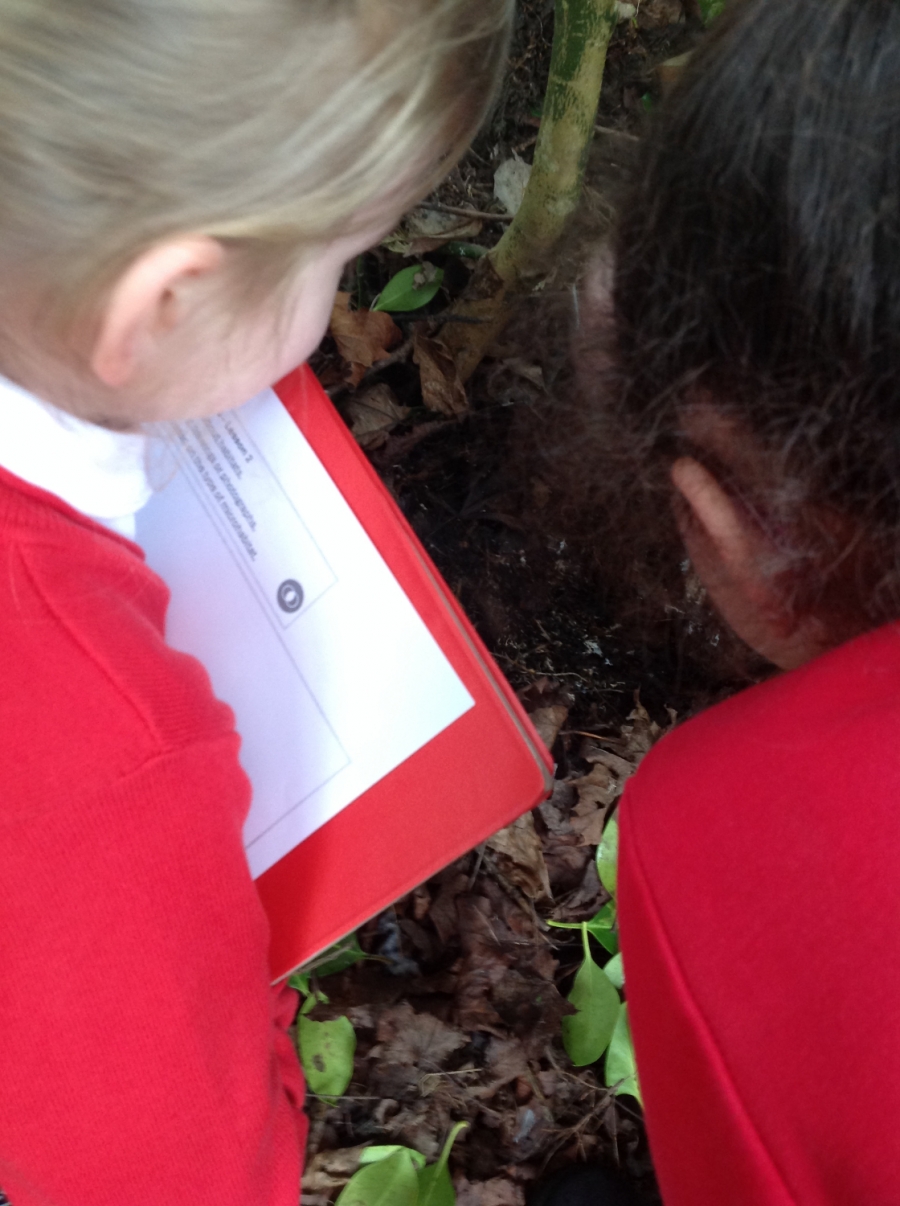
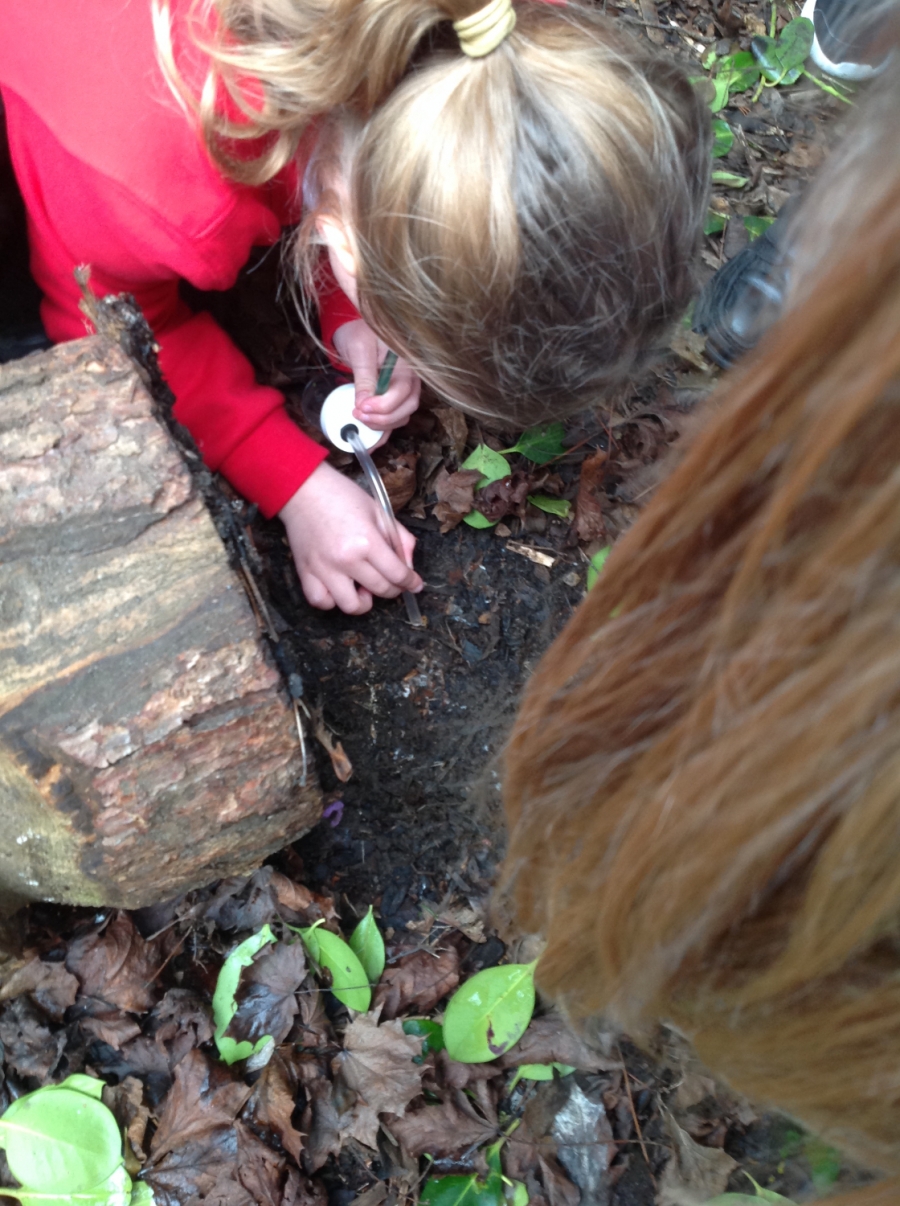
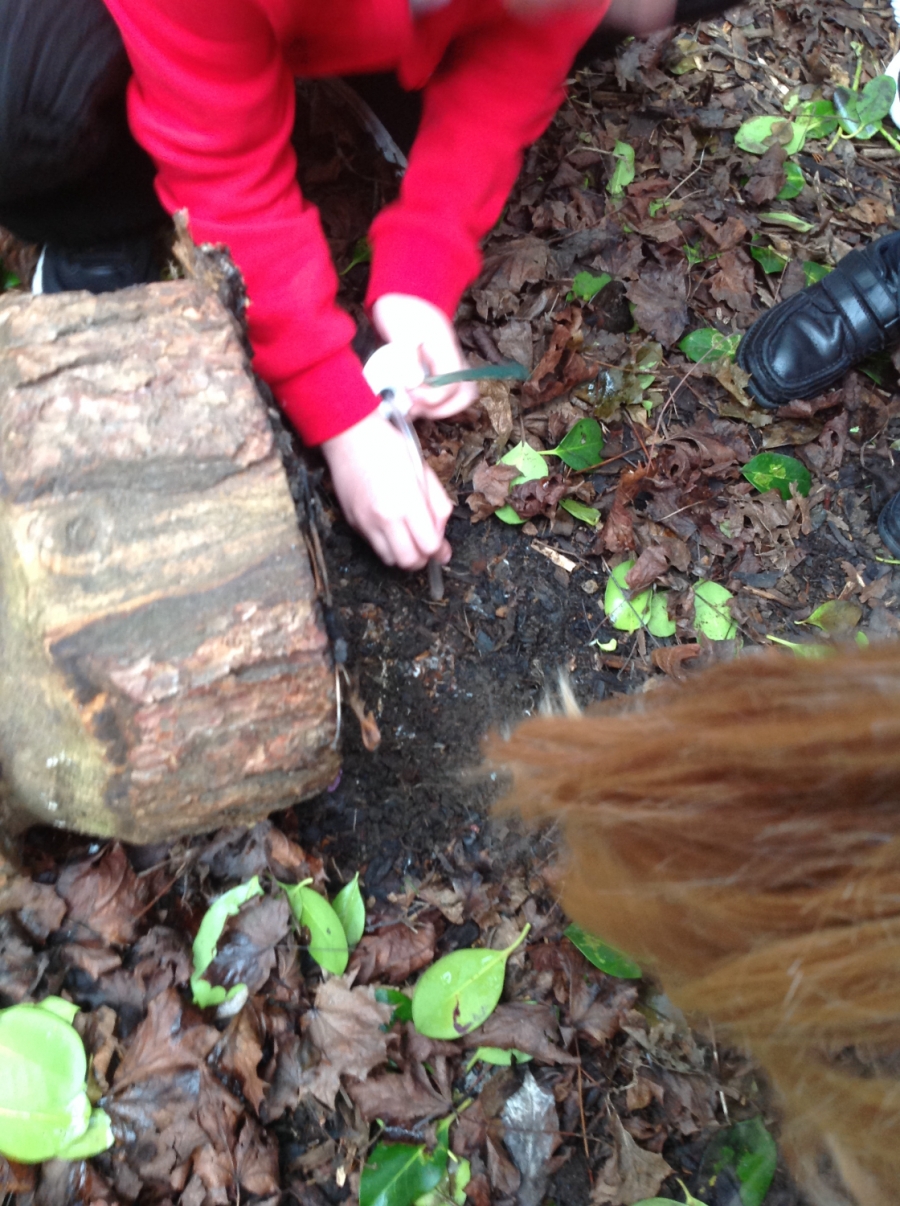
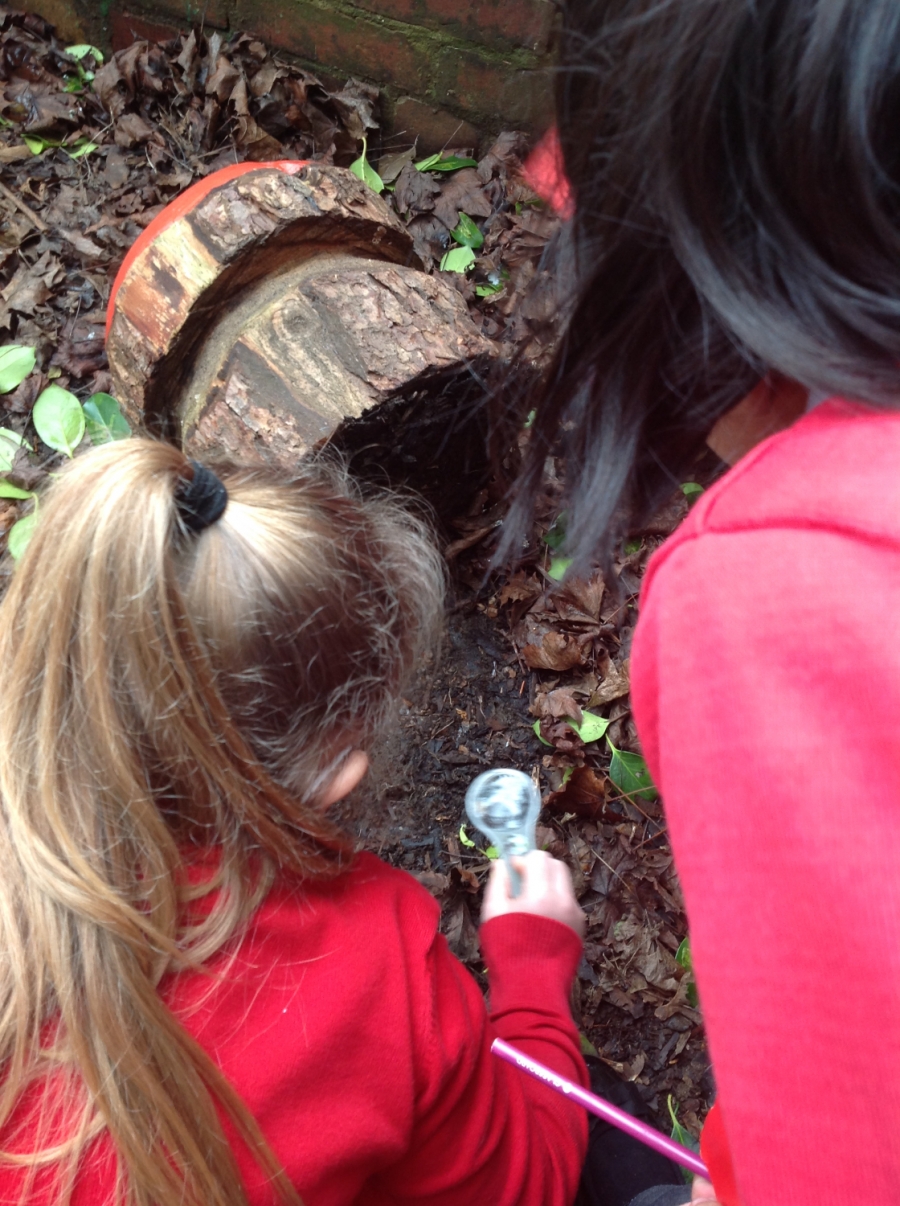
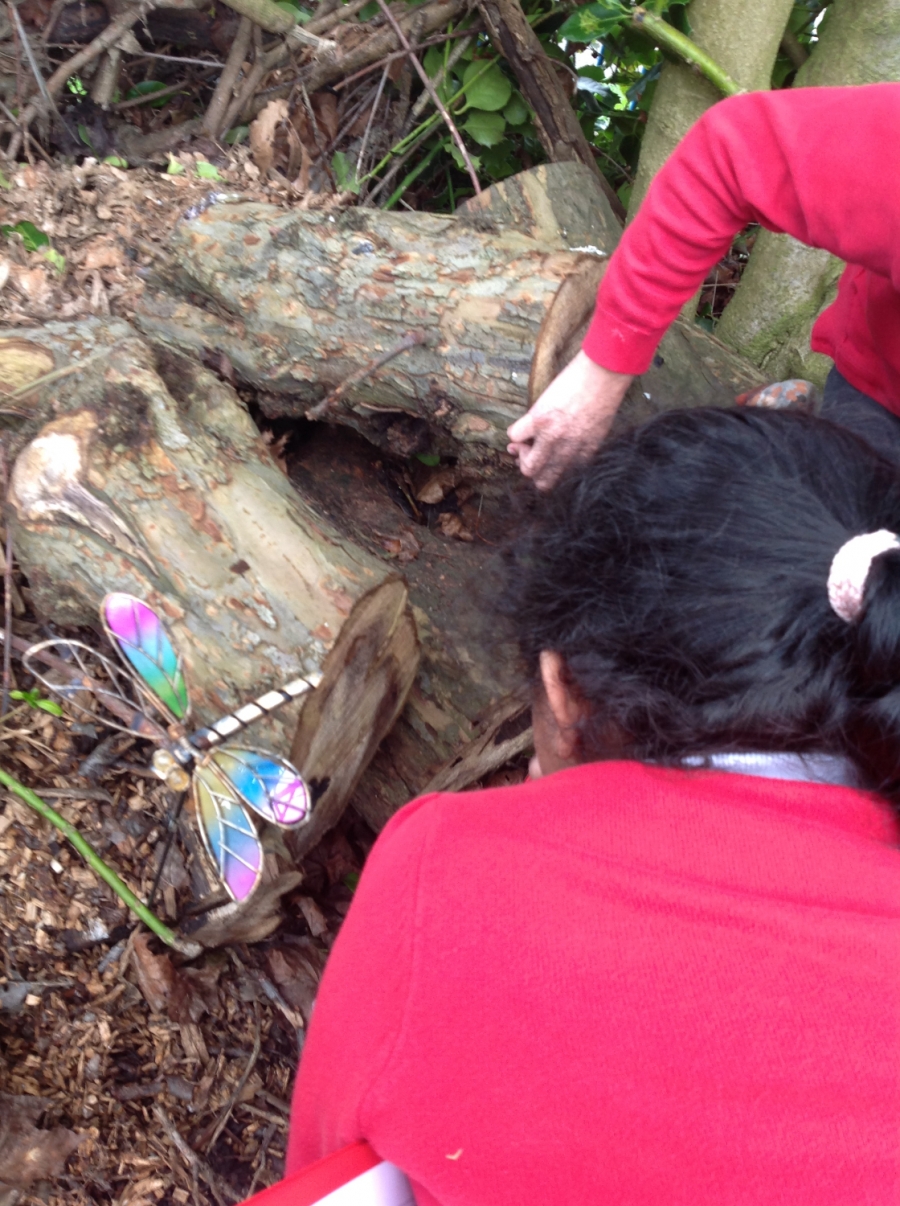
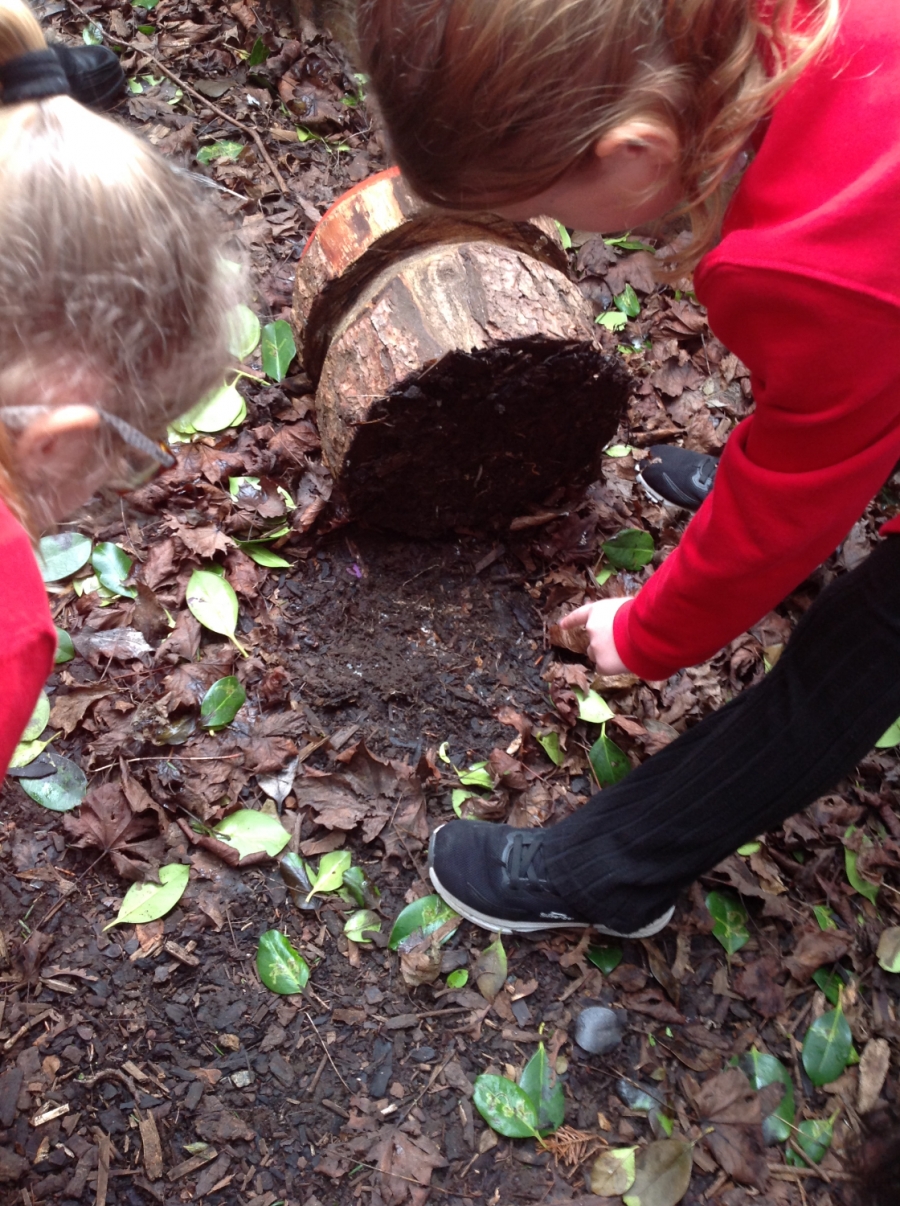
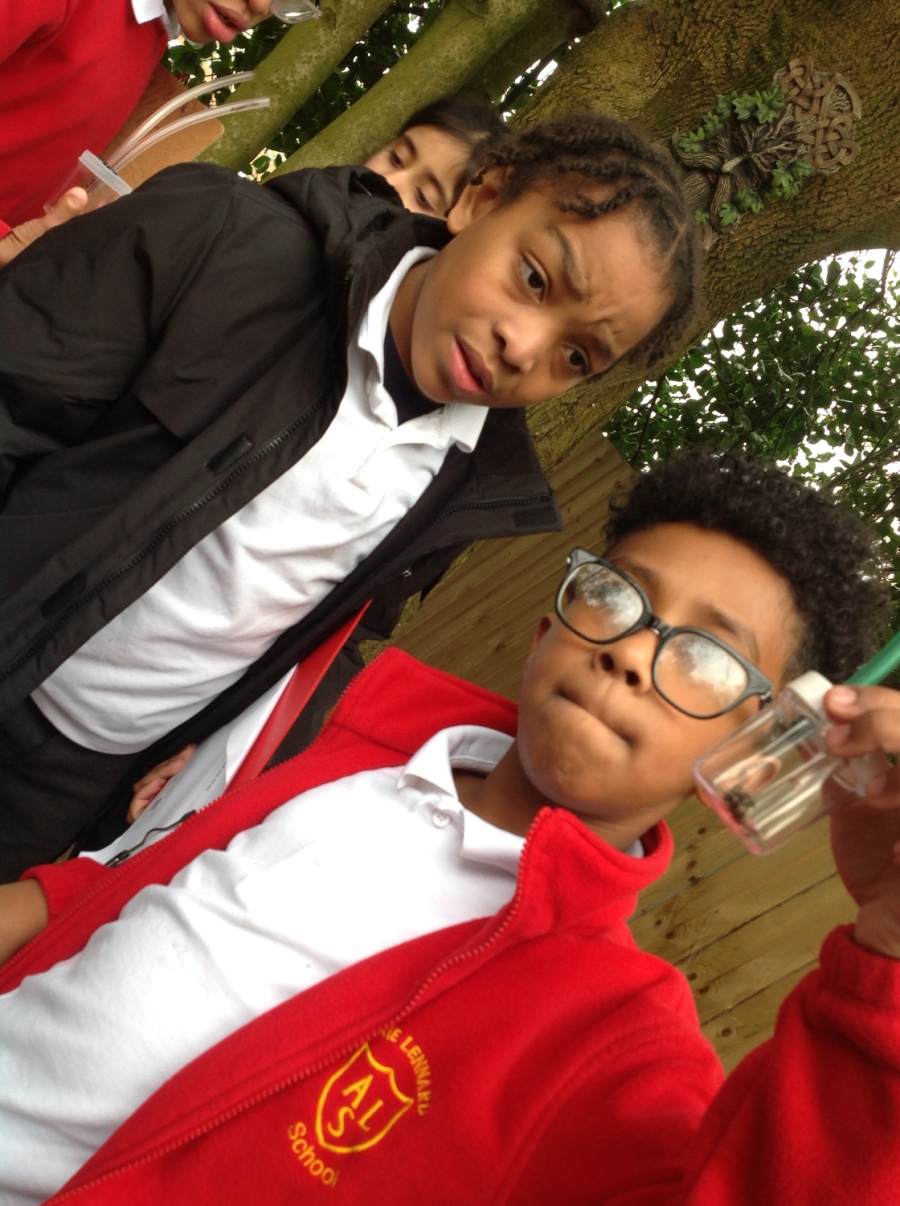
Year 3 have been focusing on ‘Curious Critters’. We are investigating habitats and the minibeasts that live in our environments.
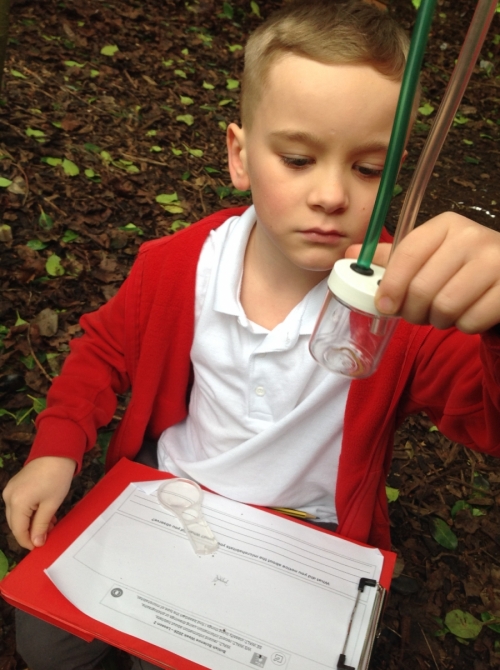
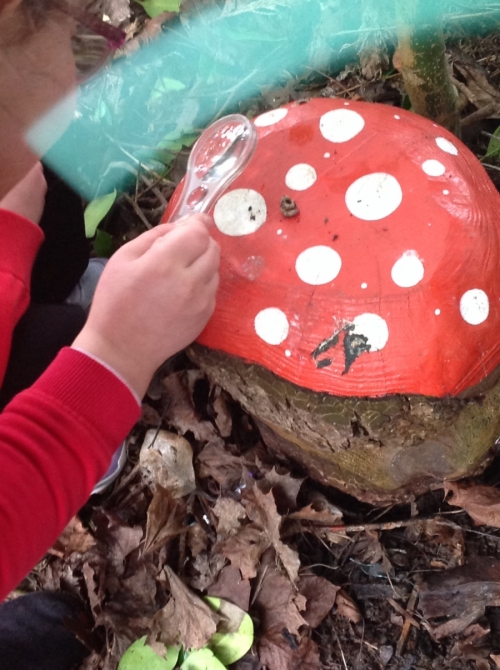
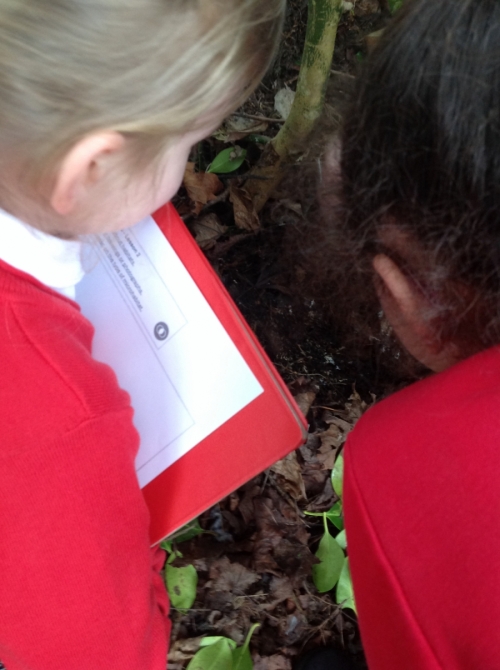
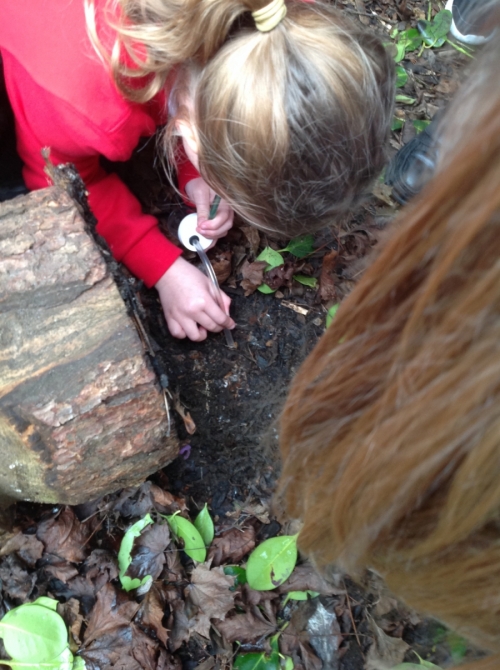
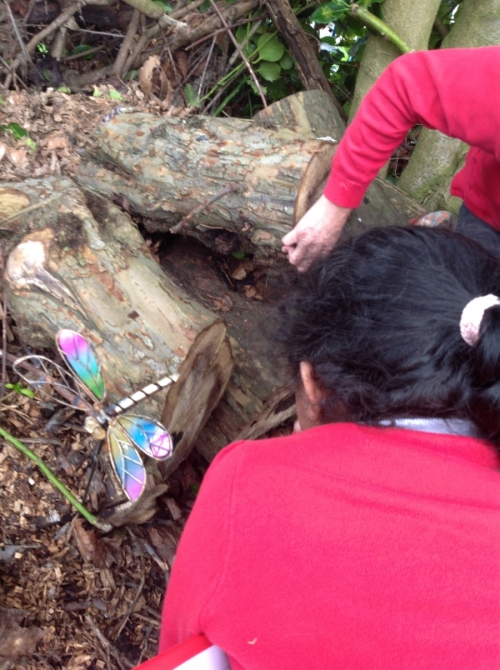
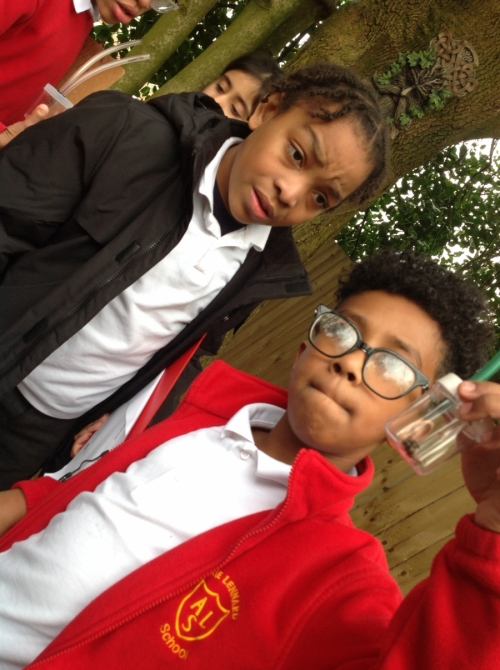
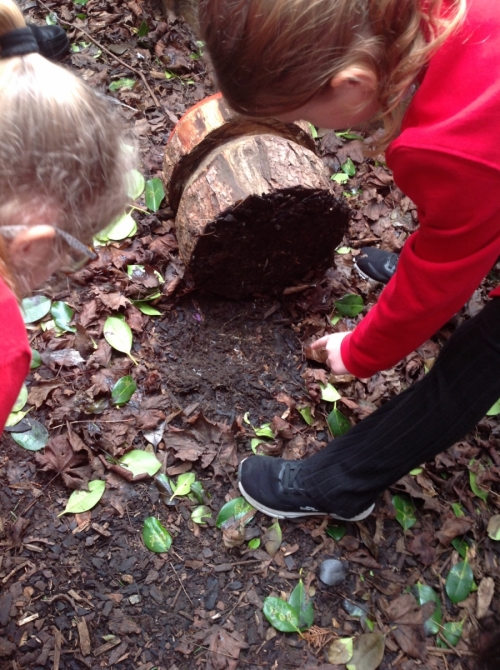
For this lesson we all visited the Sensory Garden and hunted for minibeasts. We found millipedes, worms, beetles and woodlice. We made some drawings of what we found and made sure we put them back where we found them.
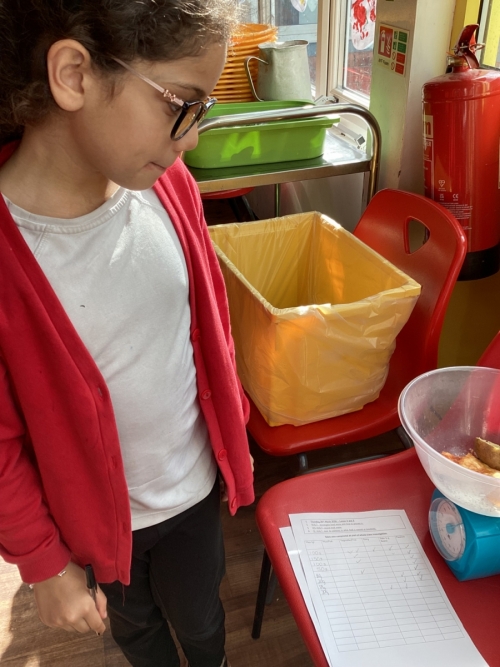
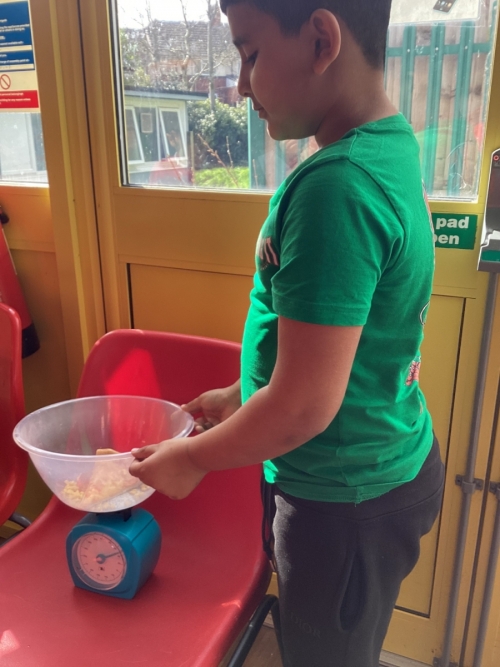
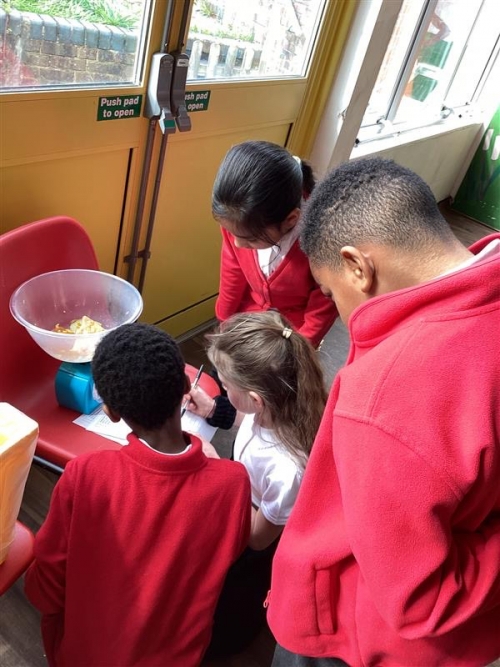
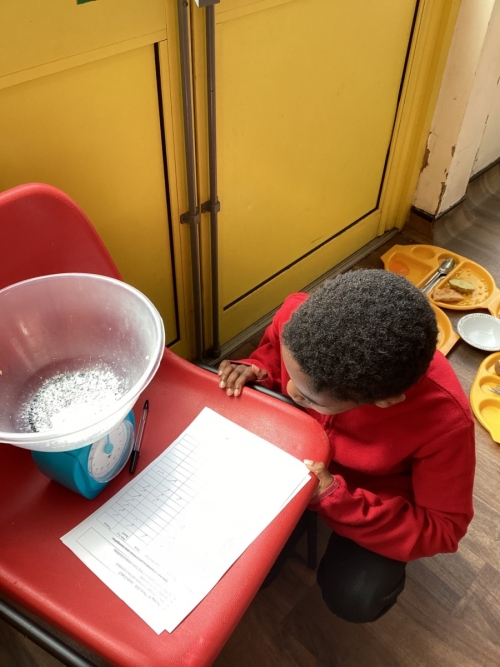
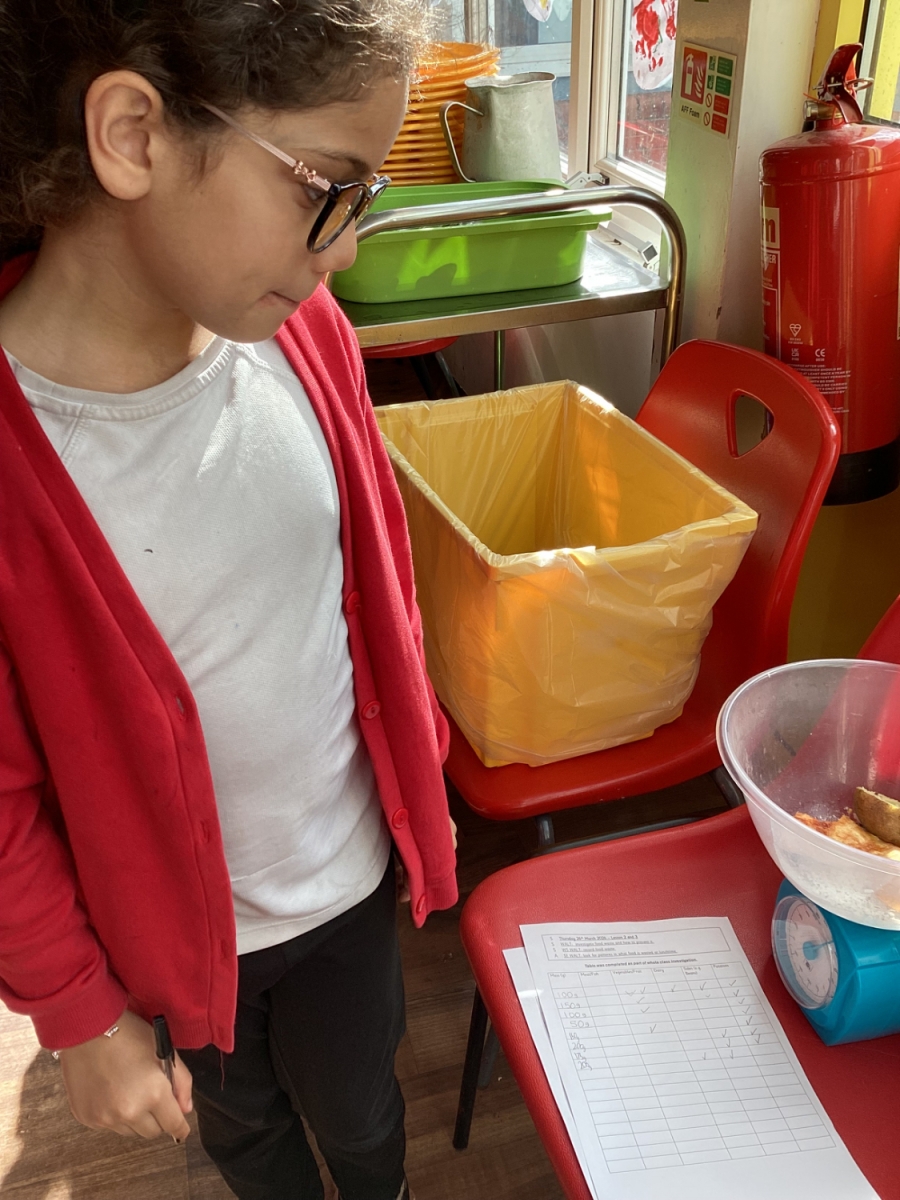
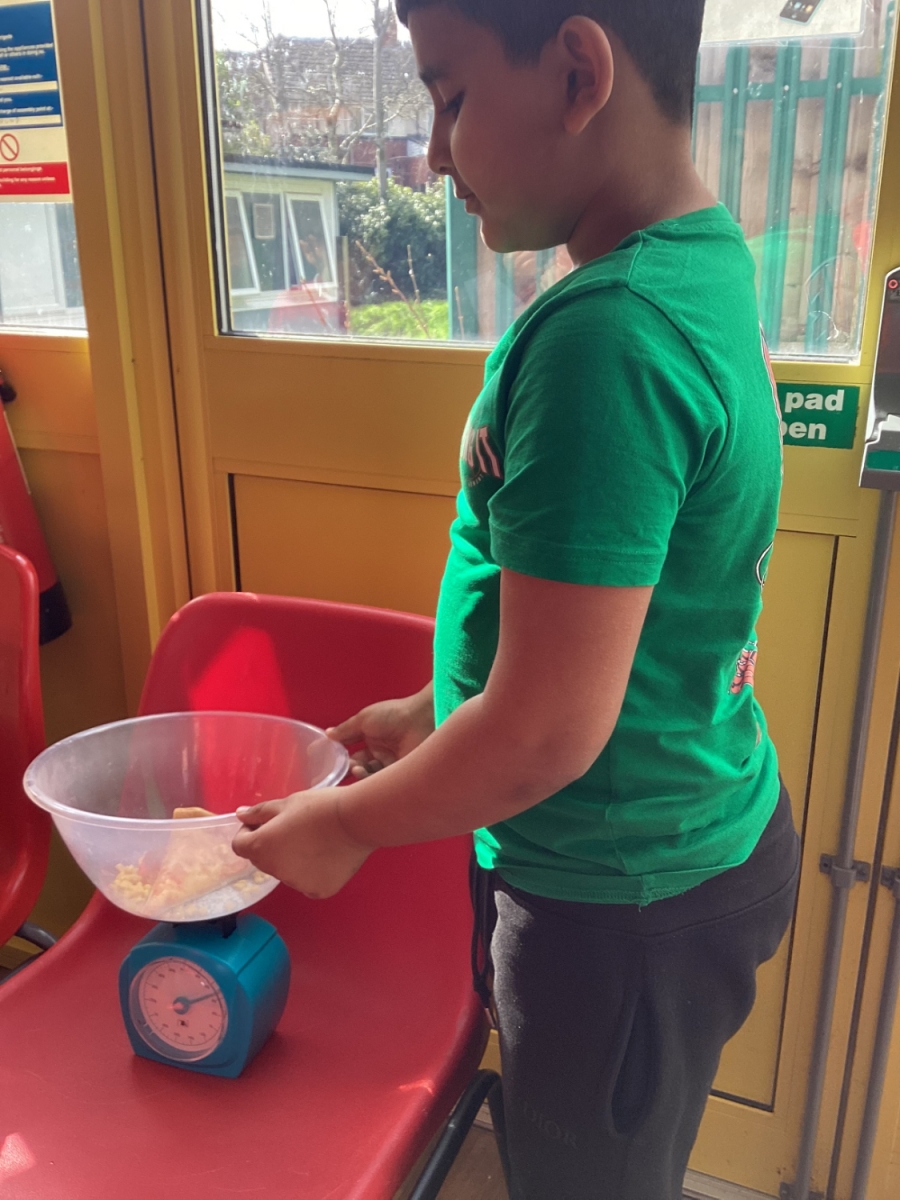
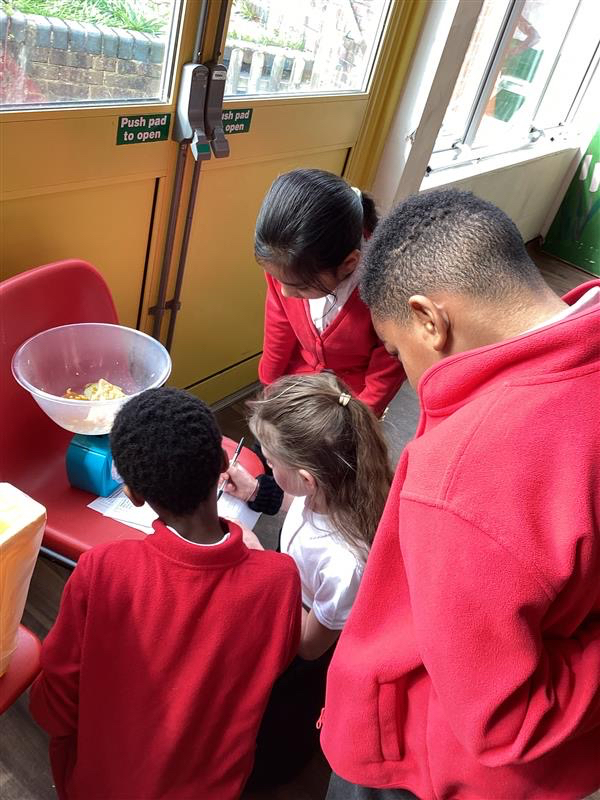
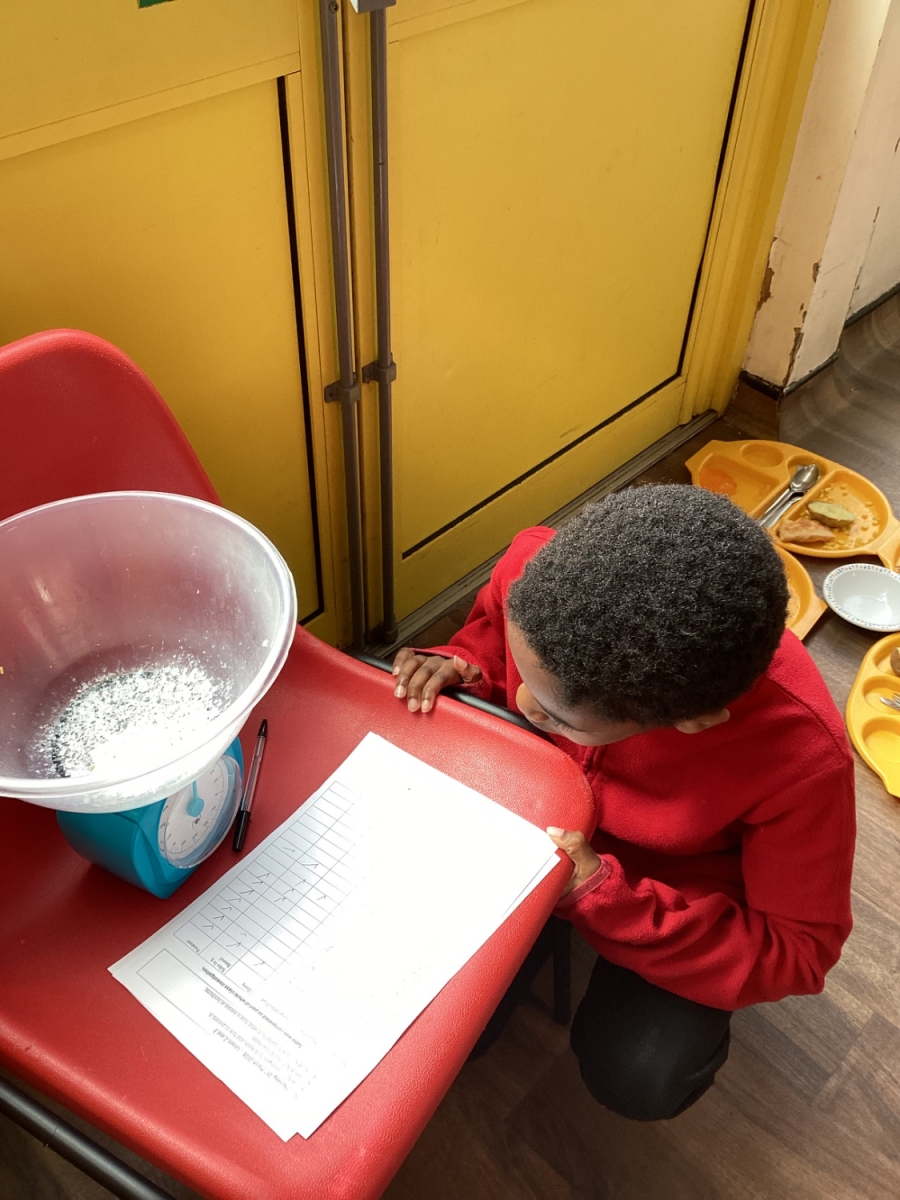
Year 4 have been exploring 'curious kitchens' this half term to celebrate science week. We have been researching food miles and how far some of our favourite brands travel before they arrive in our homes and school. We have also been looking at how cooking uses a range of different science skills. Our main focus has been on food waste. We worked in groups to weigh the food waste that was produced at lunch time and then use the information that we have found out to help us to create posters to inform people on how to not throw away as much food.
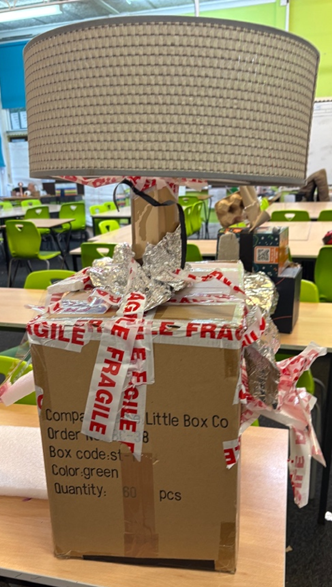
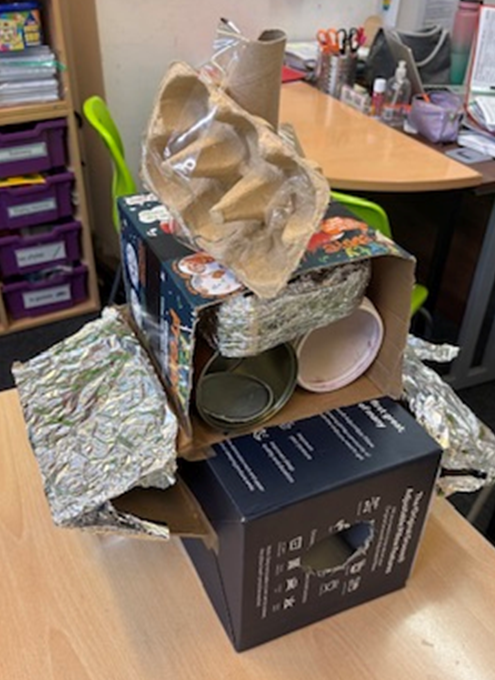
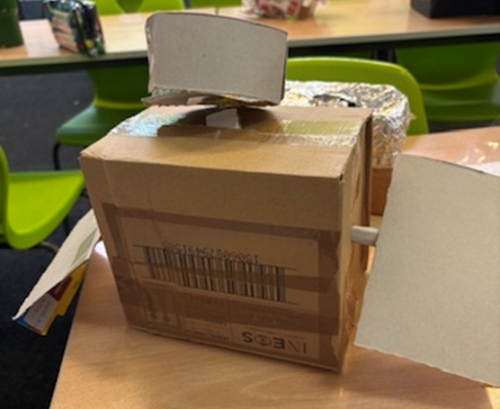
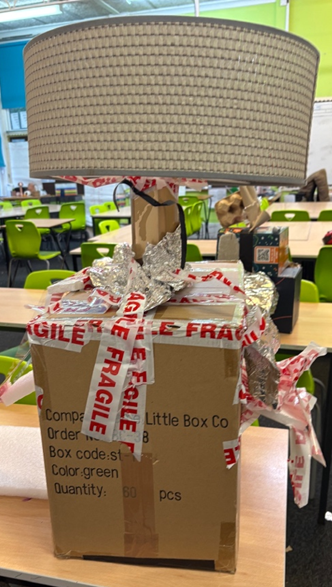
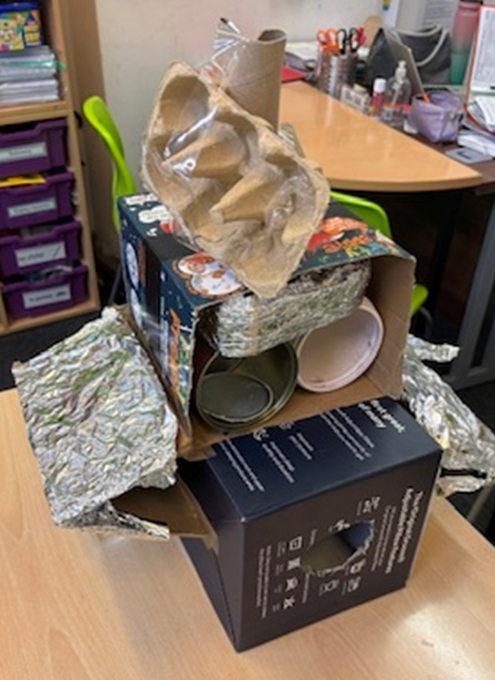
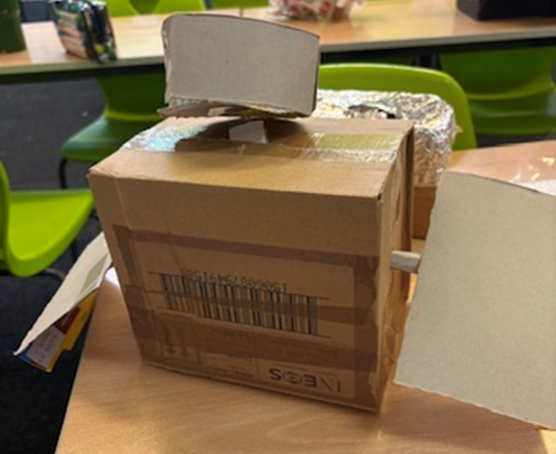
Year 6 explored how satellites help us observe and monitor changes on Earth, linking their learning to key UK National Curriculum vocabulary such as scientific enquiry, observation over time, data collection, and evidence. They investigated the role of satellites in tracking important environmental changes, including deforestation, global warming, and weather patterns, and discussed how this information supports climate action and environmental protection. As part of their practical work, the pupils applied design and technology skills and working scientifically by creating their own simple satellite models to demonstrate how these machines gather information from space. They also carried out their own longitudinal observations of our planet, helping them recognise how scientists use technology to collect evidence, identify patterns, and make predictions about the future of Earth’s climate.
IMG 0673
IMG 0674
IMG 0675
IMG 0676
IMG 7995
IMG 7993
IMG 7991
IMG 7990
IMG 7989
IMG 7988
IMG 7986
IMG 7987
IMG 7996
IMG 0696
IMG 0697
IMG 0698
IMG 0699
IMG 0700
IMG 0701
IMG 0702
Image 31
Image 30